
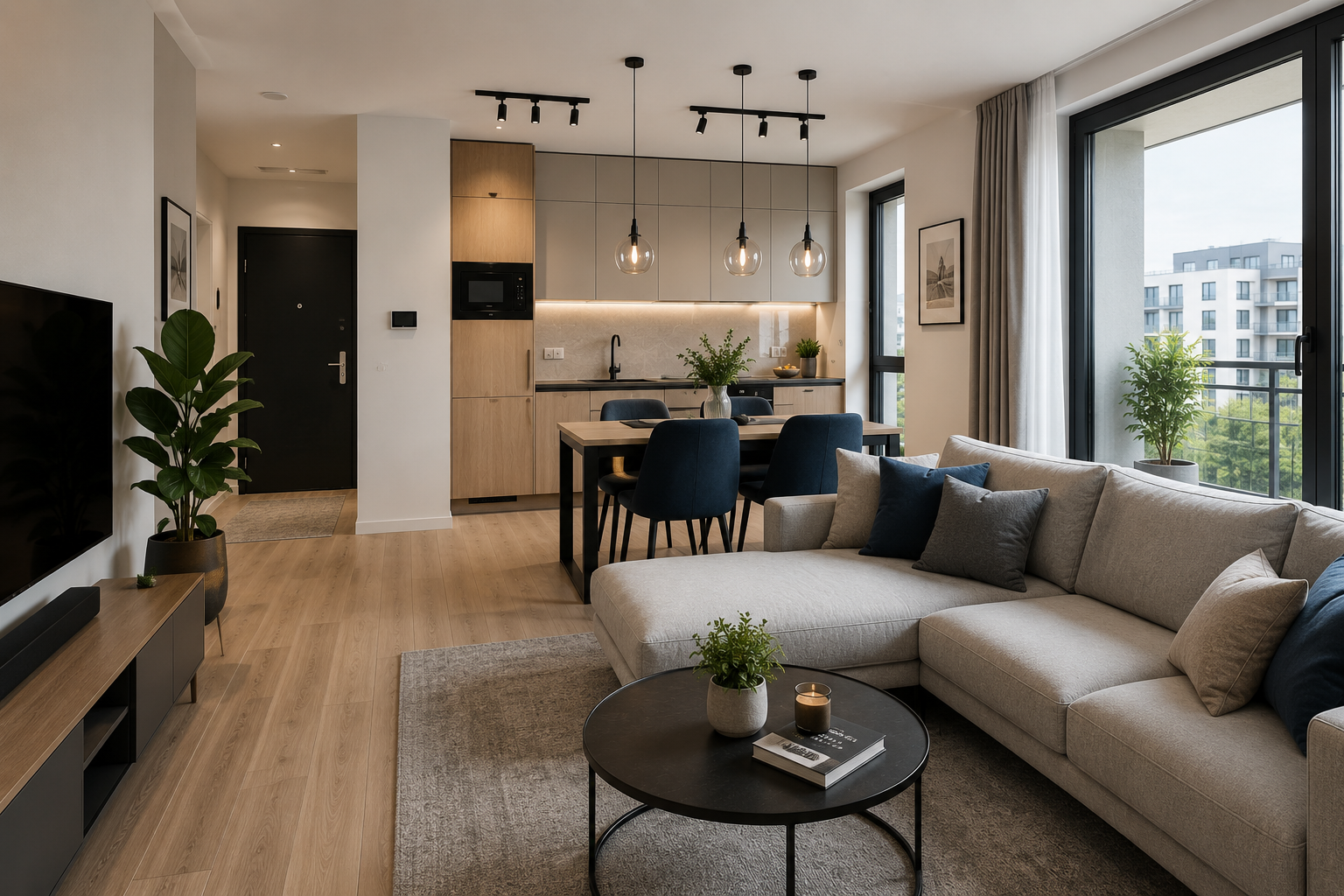
What to check on an apartment before buying it
What can be visually checked on an apartment before buying it, what can be measured, which signs deserve further investigation, and what a non-invasive inspection cannot confirm.
Before buying an apartment, it's worth checking the visible condition of finishes, joinery, walls and ceilings, the appearance of accessible installations, the operation of elements that can be safely tested, and signs of dampness or movement in the visible structure. The purpose of this check is to document the factual condition of the property at the time of the visit, not to guarantee its future condition.
A well-conducted visual inspection answers three practical questions: what is visible now, what can be measured on site, and what remains unclear and requires further investigation. The difference between an observation, a measurement and a confirmed cause is essential; many issues share the same visible manifestation but have different causes.
BuildScan documents each finding with photographs, records its location within the apartment, and, where the service includes measurements, the values obtained. Interpretation is stated cautiously: we indicate what a finding may suggest and what would be needed to confirm it.
Where the modules are included in the contracted service, we also record the ambient noise level in dB, in the centre of each room, as an indicative measurement of acoustic comfort (it is not a sound insulation test and does not certify acoustic compliance), plus the GSM/4G/5G mobile signal on the Orange and Vodafone networks at the time of the inspection, with no guarantee regarding future coverage. The endoscopic camera is used exclusively through openings or access points that already exist, without any cutting, drilling or dismantling, and the visual inspection at height is carried out with a 360° camera on a telescopic extension up to 3 m.
What you need to know
An inspection of an apartment before buying is a visual, non-invasive check of accessible elements: walls, ceilings, floors, joinery, doors, sanitary fixtures, heating units, the visible electrical panel, accessible technical spaces and, where access exists, a balcony, terrace or storage unit. The result is a report with photographs, factual descriptions and recommendations proportional to what was found.
The inspection does not replace the legal verification of the apartment, nor the checks carried out by authorized specialists for installations or structure when the situation requires them. Its purpose is to reduce unknowns before a purchase decision.
When it's useful
- before signing the preliminary contract or the sale-purchase agreement
- for older apartments, where the age of installations and finishes matters for the budget
- for new apartments handed over by a developer, to document visible workmanship defects
- after recent renovations, when fresh finishes may mask uncertain-quality work
- when the seller mentions work that was done, but no documents or photos from the time of execution exist
What we check and document
Checks are carried out on the areas visible and accessible at the time of the visit. Furniture, rugs, stored items and finishes frequently cover surfaces, which therefore remain undocumented.
- walls and ceilings: visible cracks, stains, peeling, unevenness, traces of repairs
- floors: perceived flatness, joints, loose elements or hollow-sounding spots
- joinery: opening and closing, seals, hardware, visible condensation, perimeter sealing
- bathrooms and kitchen: condition of sanitary fixtures, sealing, visible leaks, ventilation, traces of dampness
- visible electrical installation: panel, presence of protective devices, sockets and switches checked visually
- visible heating installation: radiators, valves, traces of leaks, appearance of the boiler where present
- balcony, terrace, loggia: apparent slopes, drainage, railings, enclosures
- visible common elements along the access route: stairwell, building terrace where accessible, accessible basement
BuildScan inspections are visual, non-invasive and non-destructive: we check what is visible and accessible at the time of the visit, without dismantling or breaking into finishes.
Signs worth investigating
- dark stains in corners, at the wall-ceiling joint, or behind furniture
- swollen plaster or peeling paint in low areas of walls
- persistent musty smell in a ventilated room
- recurring condensation on the glass or the window frame
- cracks that repeat along the same line, across several elements
- fresh local repairs in an otherwise unrenovated room
- large temperature differences perceived on nearby surfaces
A sign is a clue, not a diagnosis. The same stain can come from condensation, from a punctual leak that was repaired, or from an active infiltration; the distinction is made through measurements, by correlating with other findings and, in some cases, through investigations that go beyond a visual inspection.
What the inspection can confirm
A visual inspection can confirm the visible condition of accessible elements on the date of the visit: the presence and location of a defect, its apparent extent, the operation of elements that can be safely tested, and, where the service includes measurements, air and material moisture values or surface temperature differences. All of this is documented with photographs and described factually.
What the inspection CANNOT confirm
A visual, non-invasive inspection cannot confirm the condition of hidden elements: the structure behind finishes, buried installations, inaccessible waterproofing, insulation inside walls, or the condition of elements covered by furniture. It cannot determine with certainty the cause of a defect when several causes produce the same manifestation, and it cannot guarantee the absence of issues that were not visible at the time of the visit.
The inspection also does not constitute a certified technical expert assessment, a project review, an official handover inspection, or cadastral documentation, and it does not evaluate the legal status of the property.
Common mistakes
- viewing the apartment only in the evening or with curtains drawn, when many details are not visible
- accepting the explanation "there was a leak from the neighbours, it's been fixed" without any verification
- focusing exclusively on finishes and ignoring visible installations
- not checking the balcony, storage unit, or accessible common areas
- skipping photographic documentation of the condition at the time of viewing
- confusing an observation with a diagnosis and estimating costs based on an assumption
Quick checklist for viewing an apartment
Structure and walls
- check visible cracks and note where they repeat
- look at room corners and areas below windows
- notice visible unevenness in the ceiling or floor
Dampness and ventilation
- look for stains, peeling, or a musty smell
- check the ventilation grilles in the bathroom and kitchen
- notice condensation marks on joinery
Visible installations
- open accessible valves and observe pressure and leaks
- check the electrical panel: appearance, order, presence of protective devices
- check radiators and traces of leaks at valves
Joinery and finishes
- open and close every window and door
- check sealing around windows, bathtub, shower and sinks
- notice recently repaired areas and ask what was fixed
Context
- check the balcony, terrace, storage unit and accessible common areas
- note the apparent age of installations and the boiler
- photograph anything that seems unclear, for later discussion
When a specialist is needed
Further investigation by a specialist is needed when visual findings indicate a possible issue whose cause cannot be established without checks that go beyond a non-invasive inspection: cracks suggesting structural movement, electrical or thermal defects requiring specialized testing, persistent dampness with a visually unidentifiable source, or situations requiring an assessment with official technical value. Depending on the nature of the situation, these cases call for an electrician, a plumber/heating technician, a designer, or a certified technical expert.
How BuildScan can help
BuildScan documents the condition of the apartment in a single visit and delivers a digital report with photographs, the location of findings, measurements where the service includes them, and proportional recommendations. You can compare service options and see what each one includes on the services page and the pricing page.


%20scale(0.5873015873015873%200.5882352941176471)'%20d='M0%200H62V16H18V36H55V53H18V85H0Z'/%3e%3cpath%20transform='translate(45%201)%20scale(0.6470588235294118%200.5882352941176471)'%20d='M0%200H17V85H0Z'/%3e%3cpath%20transform='translate(66%201)%20scale(0.6197183098591549%200.5882352941176471)'%20d='M0%2085V0H33C55%200%2067%2010%2067%2027C67%2040%2062%2048%2049%2052C48%2052.3%2048%2053%2048.6%2053.8L72%2085H51L29%2055C28.5%2054.3%2027.5%2054%2026%2054H17V85Z%20M17%2015V40H33C44%2040%2049%2035%2049%2027C49%2019%2044%2015%2033%2015Z'/%3e%3cpath%20transform='translate(113%200)%20scale(0.5909090909090909%200.5909090909090909)'%20d='M64%2012L53%2025C46%2019%2040%2016%2031%2016C23%2016%2018%2019%2018%2025C18%2031%2024%2034%2035%2037C55%2042%2066%2049%2066%2064C66%2080%2053%2088%2034%2088C19%2088%208%2084%200%2074L12%2061C18%2068%2026%2072%2035%2072C44%2072%2049%2069%2049%2064C49%2058%2044%2056%2030%2052C11%2047%200%2040%200%2026C0%209%2013%200%2032%200C45%200%2057%204%2064%2012Z'/%3e%3cpath%20transform='translate(156%202)%20scale(0.5972222222222222%200.5764705882352941)'%20d='M0%200H72V16H45V85H27V16H0Z'/%3e%3cpath%20transform='translate(1%2064)%20scale(1.0%201.0)'%20d='M0%2085V0H33C56%200%2068%2010%2068%2027C68%2045%2055%2054%2033%2054H17V85Z%20M17%2015V40H32C44%2040%2050%2035%2050%2027C50%2019%2044%2015%2032%2015Z'/%3e%3cpath%20transform='translate(77%2064)%20scale(1.0%201.0)'%20d='M0%2085V0H33C55%200%2067%2010%2067%2027C67%2040%2062%2048%2049%2052C48%2052.3%2048%2053%2048.6%2053.8L72%2085H51L29%2055C28.5%2054.3%2027.5%2054%2026%2054H17V85Z%20M17%2015V40H33C44%2040%2049%2035%2049%2027C49%2019%2044%2015%2033%2015Z'/%3e%3cpath%20transform='translate(156%2064)%20scale(0.9411764705882353%201.0)'%20d='M0%200H17V85H0Z'/%3e%3cpath%20transform='translate(183%2064)%20scale(1.0%201.0)'%20d='M0%2085V0H15L55%2053V0H71V85H59L17%2031V85Z'/%3e%3cpath%20transform='translate(261%2064)%20scale(1.0%201.0)'%20d='M79%2017L65.5%2026C60%2018%2053%2014%2043%2014C27%2014%2017%2027%2017%2042.5C17%2059%2027%2072%2043%2072C53%2072%2061%2067%2066%2058L80%2067C72%2080%2058%2087%2043%2087C18%2087%200%2068%200%2042.5C0%2018%2018%20-1%2043%20-1C58%20-1%2072%205%2079%2017Z'/%3e%3cpath%20transform='translate(348%2064)%20scale(1.0%201.0)'%20d='M0%200H17V85H0Z'/%3e%3cpath%20transform='translate(376%2064)%20scale(0.9852941176470589%201.0)'%20d='M0%2085V0H33C56%200%2068%2010%2068%2027C68%2045%2055%2054%2033%2054H17V85Z%20M17%2015V40H32C44%2040%2050%2035%2050%2027C50%2019%2044%2015%2032%2015Z'/%3e%3cpath%20transform='translate(448%2064)%20scale(1.0%201.0)'%20d='M0%200H17V70H59V85H0Z'/%3e%3cpath%20transform='translate(513%2064)%20scale(1.0%201.0)'%20d='M0%200H61V15H18V34H52V49H18V70H62V85H0Z'/%3e%3cellipse%20cx='595'%20cy='139.5'%20rx='11'%20ry='10.5'/%3e%3c/g%3e%3c/svg%3e)
%20scale(0.5873015873015873%200.5882352941176471)'%20d='M0%200H62V16H18V36H55V53H18V85H0Z'/%3e%3cpath%20transform='translate(45%201)%20scale(0.6470588235294118%200.5882352941176471)'%20d='M0%200H17V85H0Z'/%3e%3cpath%20transform='translate(66%201)%20scale(0.6197183098591549%200.5882352941176471)'%20d='M0%2085V0H33C55%200%2067%2010%2067%2027C67%2040%2062%2048%2049%2052C48%2052.3%2048%2053%2048.6%2053.8L72%2085H51L29%2055C28.5%2054.3%2027.5%2054%2026%2054H17V85Z%20M17%2015V40H33C44%2040%2049%2035%2049%2027C49%2019%2044%2015%2033%2015Z'/%3e%3cpath%20transform='translate(113%200)%20scale(0.5909090909090909%200.5909090909090909)'%20d='M64%2012L53%2025C46%2019%2040%2016%2031%2016C23%2016%2018%2019%2018%2025C18%2031%2024%2034%2035%2037C55%2042%2066%2049%2066%2064C66%2080%2053%2088%2034%2088C19%2088%208%2084%200%2074L12%2061C18%2068%2026%2072%2035%2072C44%2072%2049%2069%2049%2064C49%2058%2044%2056%2030%2052C11%2047%200%2040%200%2026C0%209%2013%200%2032%200C45%200%2057%204%2064%2012Z'/%3e%3cpath%20transform='translate(156%202)%20scale(0.5972222222222222%200.5764705882352941)'%20d='M0%200H72V16H45V85H27V16H0Z'/%3e%3cpath%20transform='translate(1%2064)%20scale(1.0%201.0)'%20d='M0%2085V0H33C56%200%2068%2010%2068%2027C68%2045%2055%2054%2033%2054H17V85Z%20M17%2015V40H32C44%2040%2050%2035%2050%2027C50%2019%2044%2015%2032%2015Z'/%3e%3cpath%20transform='translate(77%2064)%20scale(1.0%201.0)'%20d='M0%2085V0H33C55%200%2067%2010%2067%2027C67%2040%2062%2048%2049%2052C48%2052.3%2048%2053%2048.6%2053.8L72%2085H51L29%2055C28.5%2054.3%2027.5%2054%2026%2054H17V85Z%20M17%2015V40H33C44%2040%2049%2035%2049%2027C49%2019%2044%2015%2033%2015Z'/%3e%3cpath%20transform='translate(156%2064)%20scale(0.9411764705882353%201.0)'%20d='M0%200H17V85H0Z'/%3e%3cpath%20transform='translate(183%2064)%20scale(1.0%201.0)'%20d='M0%2085V0H15L55%2053V0H71V85H59L17%2031V85Z'/%3e%3cpath%20transform='translate(261%2064)%20scale(1.0%201.0)'%20d='M79%2017L65.5%2026C60%2018%2053%2014%2043%2014C27%2014%2017%2027%2017%2042.5C17%2059%2027%2072%2043%2072C53%2072%2061%2067%2066%2058L80%2067C72%2080%2058%2087%2043%2087C18%2087%200%2068%200%2042.5C0%2018%2018%20-1%2043%20-1C58%20-1%2072%205%2079%2017Z'/%3e%3cpath%20transform='translate(348%2064)%20scale(1.0%201.0)'%20d='M0%200H17V85H0Z'/%3e%3cpath%20transform='translate(376%2064)%20scale(0.9852941176470589%201.0)'%20d='M0%2085V0H33C56%200%2068%2010%2068%2027C68%2045%2055%2054%2033%2054H17V85Z%20M17%2015V40H32C44%2040%2050%2035%2050%2027C50%2019%2044%2015%2032%2015Z'/%3e%3cpath%20transform='translate(448%2064)%20scale(1.0%201.0)'%20d='M0%200H17V70H59V85H0Z'/%3e%3cpath%20transform='translate(513%2064)%20scale(1.0%201.0)'%20d='M0%200H61V15H18V34H52V49H18V70H62V85H0Z'/%3e%3cellipse%20cx='595'%20cy='139.5'%20rx='11'%20ry='10.5'/%3e%3c/g%3e%3c/svg%3e)